Why Custom Control Panels Are Essential for Modern Industrial Automation
As industries become increasingly automated, the demand for reliable and efficient control systems continues to grow. Control panels play a critical role in managing machinery, monitoring performance, and ensuring systems operate safely and efficiently.
For businesses that rely on pumps, irrigation systems, or industrial processes, a custom-built control panel can make a significant difference in both performance and long-term reliability.
What Is a Control Panel?
A control panel is the central hub of an automated system. It houses the electrical components and controllers that manage equipment such as pumps, motors, valves, and sensors.
Inside a typical control panel you may find:
- Programmable Logic Controllers (PLCs)
- Variable Speed Drives (VSDs)
- Circuit protection devices
- Power distribution components
- Monitoring and control interfaces
These components work together to automate processes and ensure systems operate correctly.
The Advantages of Custom Control Panels
While off-the-shelf solutions may work for basic applications, many industrial systems require custom-built panels designed specifically for the job.
Custom control panels offer several key advantages:
1. Designed for Your Specific Application
Every system has unique requirements. A custom control panel can be designed to suit the exact needs of the equipment it controls.
This ensures better compatibility, improved performance, and easier maintenance.
2. Improved Efficiency
Automation allows systems to run more efficiently by controlling motors and pumps based on real-time demand.
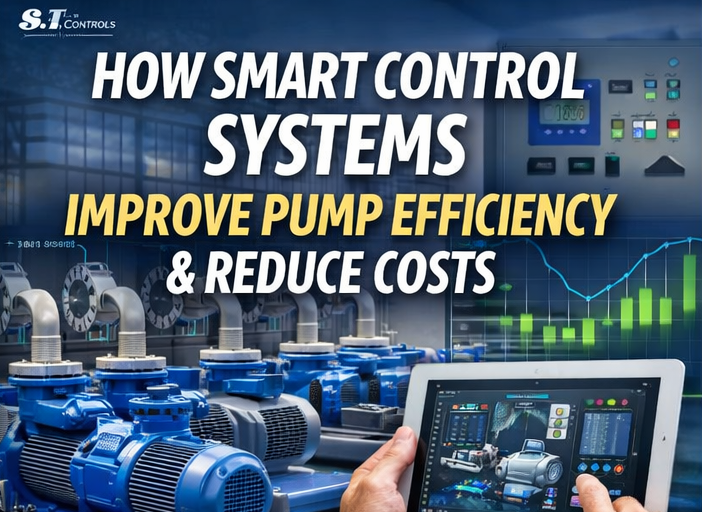
For example, a pump system with a properly designed control panel can adjust pressure automatically, reducing energy consumption and unnecessary wear on equipment.
3. Enhanced Monitoring and Safety
Control panels allow operators to monitor system performance and respond quickly to faults.
Features such as alarms, fault detection, and safety shutdowns help protect equipment and prevent costly damage.
4. Scalability for Future Expansion
Custom panels can also be designed with future upgrades in mind. This means systems can be expanded or modified without needing to completely redesign the control infrastructure.
For growing businesses, this flexibility can be extremely valuable.
Common Applications for Control Panels
Control panels are used across a wide range of industries, including:
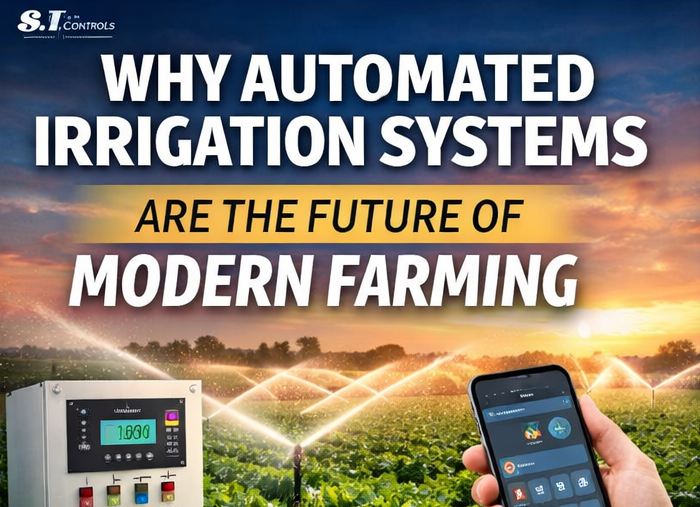
- Agricultural irrigation systems
- Pump stations and borehole systems
- Water treatment plants
- Industrial manufacturing processes
- Commercial water features
In each of these environments, reliable control systems are essential for maintaining efficient operations.
The Importance of Professional Design and Installation
Because control panels manage critical equipment, they must be designed and built to high standards.
Professional design ensures that all electrical components are properly integrated, safety regulations are followed, and the system performs reliably over time.
A well-built panel not only improves system performance but also reduces maintenance issues and downtime.
Final Thoughts
As automation continues to expand across industries, control panels remain a key component of modern infrastructure.
Investing in a custom-designed control system ensures that equipment operates efficiently, safely, and reliably for years to come.
For businesses looking to improve automation, reduce energy costs, and gain better control over their systems, custom control panels provide a powerful and practical solution.