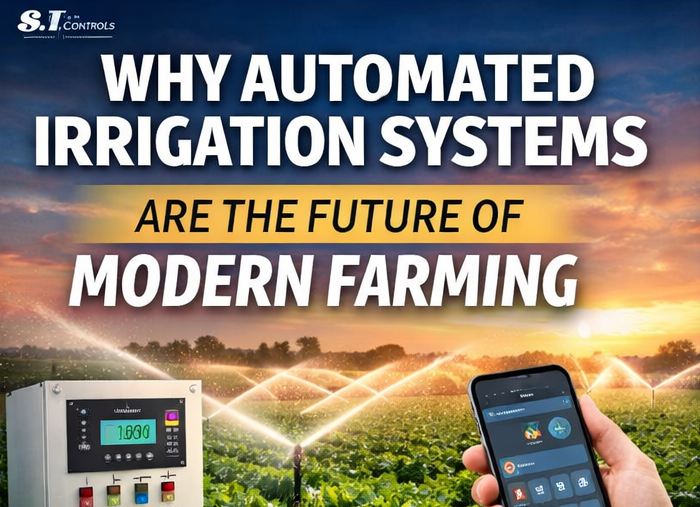
How Smart Control Systems Improve Pump Efficiency and Reduce Costs
Modern pumping systems are essential in many industries, from agriculture and irrigation to wastewater and industrial processes. However, inefficient systems can lead to higher energy bills, unnecessary wear on equipment, and costly downtime.
Smart control systems offer a powerful solution by improving efficiency, reducing operating costs, and extending the life of pump equipment.
What Is a Pump Control System?
A pump control system manages how pumps operate within a system. Instead of running continuously at full speed, the system monitors pressure, flow, and demand to ensure the pump runs only when needed.
Using technologies such as variable speed drives (VSDs) and programmable logic controllers (PLCs), modern control systems can automatically adjust pump performance based on real-time conditions.
This means the pump only works as hard as necessary to maintain the desired pressure or flow.
The Benefits of Variable Speed Drives
One of the most effective ways to improve pump efficiency is through the use of variable speed drives.
A variable speed drive allows a pump motor to run at different speeds depending on system demand. Instead of constantly running at maximum capacity, the motor can slow down or speed up to match requirements.
Key benefits include:
- Lower electricity consumption
- Reduced mechanical stress on equipment
- More precise pressure control
- Longer pump lifespan
Because pumps often consume large amounts of energy, even small efficiency improvements can lead to significant savings over time.
Improved System Reliability
Automated control systems also improve reliability.
Sensors within the system monitor key conditions such as pressure, temperature, and pump performance. If a problem occurs, the control system can respond instantly by adjusting operation or triggering alerts.
This allows problems to be detected early before they lead to expensive breakdowns or system failures.
Remote Monitoring and Control
Many modern systems now allow operators to monitor and control equipment remotely.
With mobile or online access, operators can:
- Start or stop systems remotely
- Check performance data
- Adjust operating settings
- Receive fault alerts
This level of control helps businesses manage systems more efficiently and respond quickly to changing conditions.
Applications Across Multiple Industries
Pump control systems are used in many different sectors, including:
- Agricultural irrigation systems
- Borehole and water supply pumping
- Wastewater treatment systems
- Industrial processing facilities
- Water feature installations
By improving efficiency and reliability, automated control systems help organisations reduce operational costs while improving performance.
Final Thoughts
Upgrading to a modern pump control system can deliver major benefits for businesses that rely on pumping equipment. With improved efficiency, reduced energy usage, and smarter monitoring capabilities, these systems provide a cost-effective way to optimise operations.
For businesses looking to modernise their pumping infrastructure, investing in intelligent control technology can provide long-term performance and reliability.